Call Now : 347-997-4711

Trusted Retirement Income Planning & Best-Interest Guidance
Annuity Insurance in Manhattan, NY
If you’re searching for Annuity Insurance in Manhattan, New York, your core goal is likely simple: turn your retirement savings into dependable income without stress, uncertainty, or costly mistakes. Planning for retirement can feel overwhelming, especially in a high-cost, fast-paced place like Manhattan. Whether you live in the Financial District, Midtown, Upper East Side, Harlem, Chelsea, Greenwich Village, Battery Park City, or anywhere else in Manhattan, you want clarity, confidence, and a tailored retirement income strategy that works for you and your family’s future.
At HCA Insurance & Senior Solutions, we provide straightforward, easy-to-understand annuity guidance for hardworking Manhattan residents. We don’t push confusing products; we break down your choices, explain trade-offs, and highlight real outcomes so you can make smart decisions with confidence and peace of mind.
📞 Schedule a no-cost consultation now to explore your annuity options with licensed, best-interest advisors.
Our Retirement & Insurance Services in Manhattan
Annuity Insurance Options for Manhattan, NY Residents
Fixed Annuities in Manhattan
For many retirees in Manhattan, stability and predictability are top priorities. Fixed annuities offer just that, reliable growth and guaranteed returns:
Traditional Fixed Annuities: Provide steady interest accumulation and principal protection
Immediate Fixed Annuities: Begin paying income shortly after purchase, ideal for newly retired individuals
Deferred Fixed Annuities: Allow savings to grow tax-deferred until you begin taking income
These products are especially appealing for those who want financial certainty without exposure to market volatility. They can form the foundation of a solid retirement income plan and help cover basic living expenses through lifetime income.
Indexed and Variable Annuities
For Manhattan clients seeking growth potential without sacrificing protection, indexed and variable products can be valuable tools:
Indexed Annuities: Credits tied to a market index, offering potential for higher returns with downside protection
Variable Annuities: Investment options linked to market performance, allowing greater growth opportunities
Optional Riders: Choose from income or protection riders to customize your annuity around your specific needs
These annuity types are well-suited for long-term retirement strategies that balance growth and risk management. Our advisors help you understand how each product works, how returns are calculated, and what income guarantees you can expect.
Income Options Offered in Manhattan
Life-Only Income: Offers guaranteed monthly payments for the rest of your life
Life with Period Certain: Guarantees income for life and a minimum number of years to protect beneficiaries
Joint Life Income: Continues payments for a spouse or partner after your passing
Customized Income Plans: Detailed projections based on your unique retirement timeline and cash flow needs
We assist you in selecting the structure that best fits your long-term priorities and lifestyle in Manhattan.
About Annuity Planning in Manhattan, NY
When Manhattan Residents Should Consider Annuities
Timing matters when planning for retirement income. Here’s when annuity guidance becomes especially valuable:
Approaching Retirement: Start exploring annuity options at least 3–5 years before full retirement
Already Retired: Annuities can help convert savings into a reliable monthly income stream
Life Transitions: Major financial events, such as selling property, receiving an inheritance, or retiring early, are opportune times for annuity planning
Market Volatility: If traditional investments feel risky, annuities can offer certainty and protection
Proper planning can help you avoid costly mistakes, reduce risk, and better align your income with your future goals.
Manhattan Neighborhoods We Serve
We proudly assist individuals and families across all major Manhattan communities:
Financial District & Battery Park City: Designed for retirees who value security and predictable cash flow
Midtown & Chelsea: Tailored strategies for professionals transitioning to retirement
Upper East & Upper West Sides: Income planning that supports long-term lifestyle goals
Greenwich Village & SoHo: Flexible solutions for individuals with diverse financial goals
Harlem & East Harlem: Focus on income guarantees and legacy planning
Whether you live on the East Side, West Side, uptown, or downtown, we’re here to support your retirement planning needs.
Financial Institutions & Retirement Resources in Manhattan
A strong retirement plan often involves multiple financial partners. In Manhattan, you can access:
Leading Healthcare & Hospital Systems: Resources related to retirement, health care, and long-term planning
Certified Financial Planners & CPAs: Assistance with tax-efficient retirement strategies
Retirement Education Workshops: Local seminars and community programs
Senior Support Centers: Advocacy and educational services tailored to retirees
Independent Carrier Partnerships: We match you with top-rated annuity providers
Understanding local resources helps you build a retirement strategy that aligns with your broader financial world.
What Manhattan Clients Say
“HCA Insurance walked me through every annuity option with patience and clarity. They helped me understand how to secure income that will last.” — Diana T., Manhattan
“As someone unfamiliar with retirement products, I appreciated how clearly they explained everything and showed me real income projections.” — Marcus L., Manhattan
Schedule Your FREE Manhattan Annuity Consultation
Three Easy Ways to Meet:
🏢 Office Visit: Professional guidance in a convenient Manhattan location
🏠 Home Visit: Personalized support in the comfort of your home
📞 Phone Consultation: Speak directly with a licensed annuity advisor
Get Your FREE Annuity Review
No pressure. Just honest, personalized guidance tailored to your Manhattan retirement income needs. Let’s help you explore the best options for dependable income you can count on.
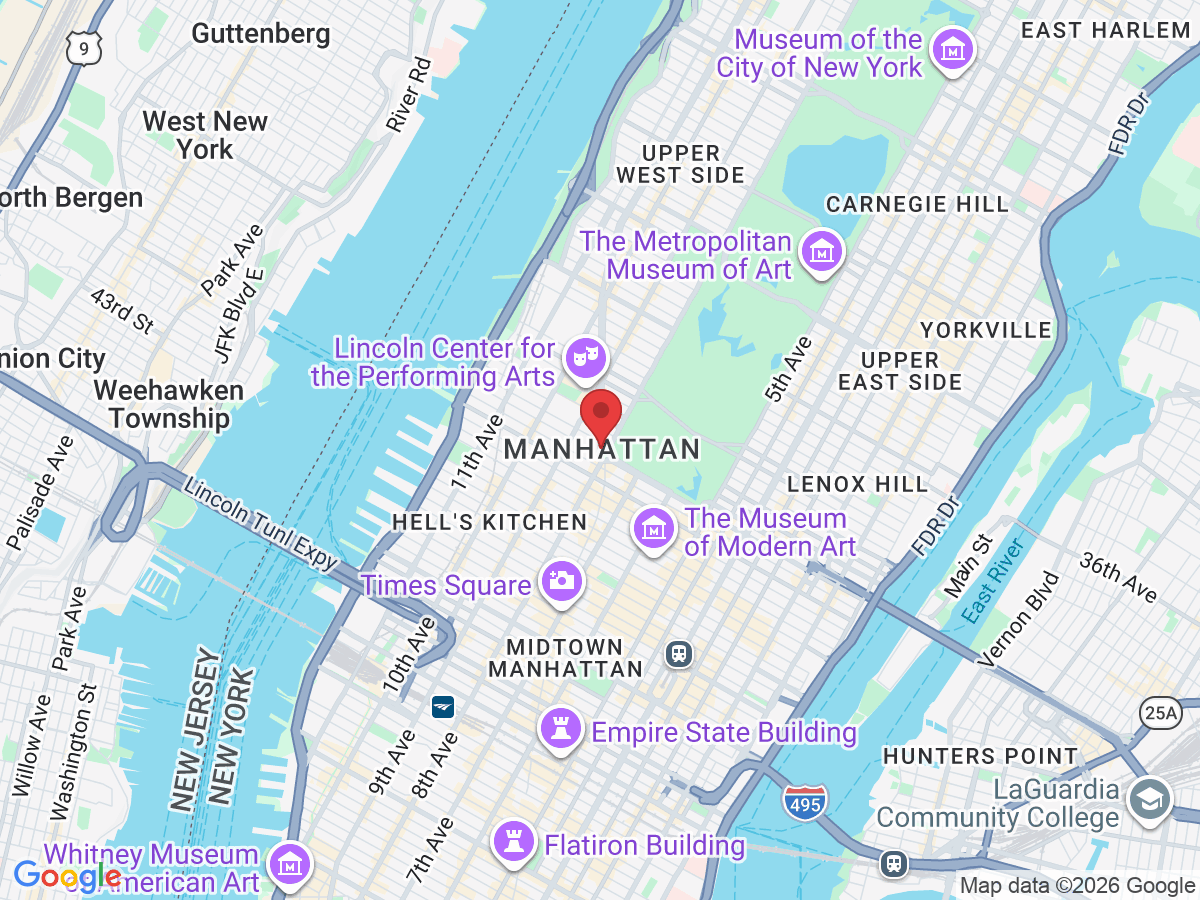
Serving Manhattan & Surrounding Areas
Also providing annuity planning services in: Financial District • Midtown • Upper East Side • Upper West Side • Harlem • Chelsea • Greenwich Village • SoHo • Tribeca • Battery Park City
Office Hours:
Local Manhattan Annuity Advisor: HCA Insurance & Senior Solutions
Service Area: Manhattan, NY
Phone: 518-888-6622
Email: [email protected]
HCA Insurance & Senior Solutions
HCA Insurance &
Senior Solutions
© 2024. All rights reserved.
Get the latest updates
